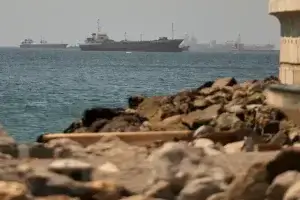
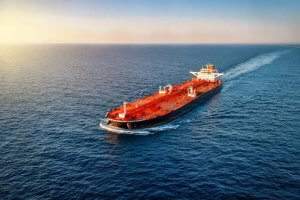
Global bunker fuel prices have surged sharply in recent days as tensions tied to the U.S.–Iran conflict and the closure of the Strait of Hormuz push crude oil to multiyear highs.
The sudden spike has forced container shipping lines to respond quickly, with CMA CGM introducing an emergency bunker surcharge of $150 per TEU on head-haul routes and $75 per TEU on back-haul cargo.
The surcharges apply to vessels loading from March 16 and will remain in place until further notice as fuel markets continue to react to geopolitical developments.
Meanwhile, industry leader MSC Mediterranean Shipping Company announced its own emergency fuel surcharge ranging from $60 to $190 per TEU depending on the trade lane.
Shipping analysts note that bunker adjustment factors are typically revised on a quarterly cycle, meaning the current oil price spike may not fully filter through freight rates until later in 2026.
According to bunker market data from Ship & Bunker, very low sulphur fuel oil prices in Houston have climbed nearly 40% since early March.
Other major ports including New York, Rotterdam, and Santos have recorded week-on-week increases of roughly 25–30%.
The largest jump has occurred in Singapore, the world’s leading bunkering hub, where VLSFO prices have surged to around $822 per tonne, roughly 60% higher than levels seen at the start of the month.
For the broader shipping sector, higher bunker costs are expected to ripple through supply chains, affecting containerized cargo ranging from polymer pellets to specialty chemicals transported in ISO Tanks.
As energy markets react to geopolitical instability in one of the world’s most critical maritime chokepoints, ship operators and cargo owners alike are bracing for continued volatility in fuel pricing and freight markets.