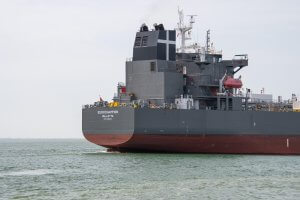
The global shipping industry is moving toward alternative marine fuels, but port infrastructure is struggling to keep pace. A new report from Lloyd’s Register (LR), Fuel for Thought: Ports, highlights a growing gap between the number of vessels being built to operate on alternative fuels and the availability of bunkering facilities capable of supplying them.
At the beginning of 2026, 1,942 alternative-fuel-capable vessels were on order, representing 47% of global orderbook tonnage. LNG continues to lead alternative-fuel newbuild activity, with 230 vessels ordered in 2026 so far. However, LNG bunkering is available at only 222 ports worldwide, while methanol is available at 25 and commercial ammonia bunkering has been recorded at just one port.
The infrastructure gap is particularly significant for emerging fuels. LR identified 385 methanol-capable and 45 ammonia-capable vessels on order, despite limited supply networks. Although commercial ammonia bunkering milestones have recently been achieved in South Korea, China and Australia, widespread availability remains a considerable challenge.
Developing these supply networks requires more than simply making fuel available. Ports need specialized bunker vessels, licensing, emergency response procedures and suitable berth infrastructure. The economics are also challenging, with green methanol and ammonia currently costing two to three times more than conventional marine fuels, making investment decisions difficult for ports and suppliers.
Geographic availability presents another obstacle. Northern Europe, North Asia and Singapore account for much of the progress in alternative-fuel infrastructure, while Africa, South Asia, Latin America and the Pacific remain significantly underserved. This uneven development could create a two-tier bunkering network, leaving some vessels with limited options to obtain the fuels for which they were designed.
Biofuels currently offer a more accessible alternative, with deliveries recorded at 90 ports worldwide, although most volumes remain concentrated in a relatively small number of locations. Ultimately, the report emphasizes that ports do not need to prepare for every alternative fuel, but they do need a clear strategy based on regional demand, infrastructure investment and the evolving needs of the global fleet.