A newly announced U.S.–Iran agreement aims to end months of conflict around the Strait of Hormuz and reopen one of the world’s most critical maritime chokepoints. Maritime organizations caution, however, that a return to normal shipping, and to pre-war fuel prices, will take time.
Under the deal, both sides have committed to a 60-day ceasefire, with a formal signing scheduled for June 19 in Geneva. The U.S. blockade of Iranian ports is set to lift and the Strait to begin reopening, starting with mine-clearance operations expected to take up to 30 days.
Energy markets reacted immediately. Brent crude fell roughly 5% to around $83 per barrel, its lowest level since early March, while West Texas Intermediate dropped below $80 for the first time since the conflict began. Even so, both benchmarks remain about 40% above where they stood at the start of 2026, before the February 28 outbreak of hostilities.
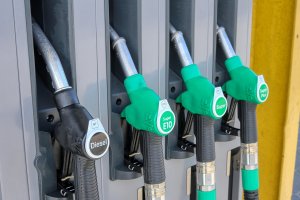
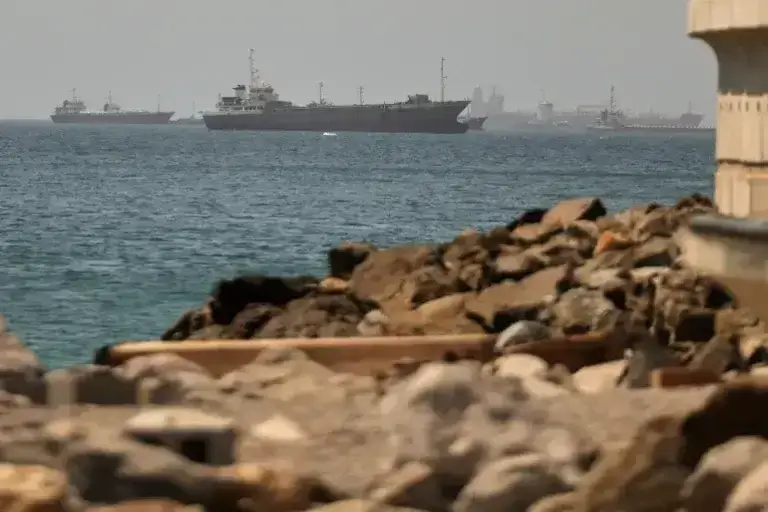
For shipowners and fuel buyers, the easing of crude prices should gradually filter through to bunker costs, though the relief will not be immediate. Roughly 600 vessels, including about 250 tankers, remain trapped inside the Persian Gulf, and industry group BIMCO expects it could take several weeks to safely clear them once transits resume.
Significant uncertainty also remains. The Strait stays closed for now, the maritime threat level is still rated severe, and the lingering risk of sea mines means owners are awaiting clear guidance on safe routing before committing vessels. The International Chamber of Shipping notes that roughly 500 ships still need to transit out of the region, and that some 20,000 seafarers have been caught in the conflict.
For now, the outlook points toward gradually easing fuel prices paired with continued near-term volatility. As the situation in one of the world’s most important energy corridors develops, ship operators and cargo owners alike should plan for a measured return to normal rather than an overnight reset.