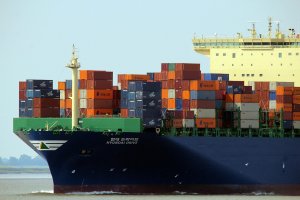
A recent study challenges the prevailing view on marine scrubbers, suggesting that using heavy fuel oil (HFO) with scrubbers may be environmentally comparable—or even superior—to low-sulfur fuels for large bulk carriers. The research was conducted by MIT and Georgia Tech, with support from Oldendorff Carriers, and included real-world testing aboard the bulk carrier Hedwig Oldendorff.
Unlike previous studies that often focused narrowly on specific impacts, this research used a comprehensive Well-to-Wake (WtW) lifecycle assessment. It evaluated emissions from every stage of fuel production and use, including sourcing, refining, transport, and onboard combustion.
The results revealed that using HFO with scrubbers had the lowest environmental impact in nearly all of the ten studied categories, including greenhouse gas emissions and ozone formation. Researchers argue that full-picture assessments are crucial for making science-based policy decisions.
Despite concerns about toxic discharge from scrubbers, the study found that the environmental cost of producing low-sulfur fuels—due to extra refining steps—was actually higher overall. This positions scrubber-equipped vessels as a potentially cleaner choice when considering the entire lifecycle of fuel use.
Scrubber adoption has grown rapidly, from just 243 ships in 2020 to over 7,400 by early 2025, most of which use open-loop systems. While scrubber discharge remains banned in many ports, the study maintains that its localized impact is outweighed by broader emissions reductions across the fuel lifecycle.
The researchers emphasized that the environmental burden of scrubber manufacturing is negligible compared to the long-term benefits of reducing upstream emissions. With scrubbers typically lasting 20 years, their environmental payoff could be significant.