The global shipping industry is making it clear that a ceasefire between the United States and Iran alone will not be enough to restore normal vessel traffic through the Strait of Hormuz. While diplomatic efforts continue, shipowners, insurers, and maritime operators remain focused on one critical issue: confidence that vessels can transit the region safely and predictably.
Industry leaders speaking at the Posidonia maritime exhibition in Greece emphasized that commercial shipping requires clear operating frameworks before vessels can return to the waterway. Questions surrounding military coordination, transit procedures, insurance coverage, and liability exposure remain unresolved, creating significant uncertainty for operators considering a return to the region.
Even if political agreements are finalized, shipping executives argue that detailed rules governing vessel movements will be essential. Without clearly defined protocols and security guarantees, many owners are expected to remain cautious about sending ships through one of the world’s most strategically important maritime chokepoints.
Insurance availability is also not viewed as a complete solution. Industry participants note that the ability to obtain coverage does not necessarily reduce the operational risks associated with navigating an area that has experienced months of conflict, military activity, and threats to commercial shipping.
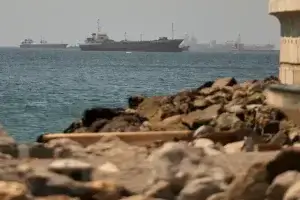
The crisis has already taken a significant human toll on the maritime workforce. Hundreds of vessels remain stranded, while thousands of seafarers have spent months unable to leave the Gulf region. Maritime organizations continue to stress that any reopening plan must prioritize crew welfare and include measures to facilitate long-delayed crew changes and evacuations.
Another major concern is the potential presence of naval mines and other lingering security threats. Industry groups have warned that reopening the Strait of Hormuz may require extensive mine-clearing operations, designated transit corridors, and independent verification that shipping lanes are safe before operators regain confidence in the route.
For global energy markets, the stakes remain exceptionally high. The Strait of Hormuz serves as a critical gateway for crude oil, refined products, LNG, and other commodities. Any prolonged disruption continues to impact bunker fuel markets, freight costs, and supply chain planning worldwide.
As discussions continue, the shipping industry’s message remains consistent: restoring freedom of navigation requires more than a ceasefire. Long-term confidence will depend on clear security arrangements, operational certainty, and a stable environment that allows commercial vessels to move safely through one of the world’s most important maritime corridors.