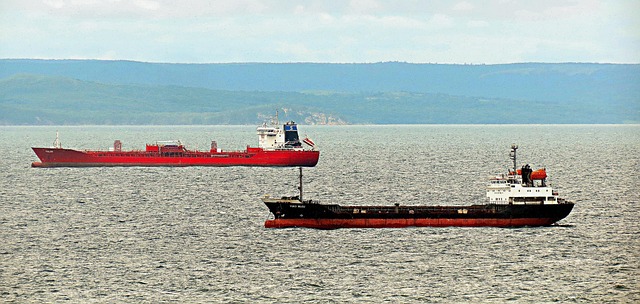
The global crude tanker market is experiencing an unprecedented wave of newbuilding activity, with owners placing record numbers of orders for new vessels. Strong freight earnings, an aging global fleet, and continued geopolitical uncertainty are driving operators to invest in modern tonnage despite high construction costs and delivery schedules stretching several years into the future.
Very Large Crude Carriers (VLCCs) have led the surge, accounting for the vast majority of new orders placed this year. Suezmax tankers have also seen increased demand, reflecting growing confidence in long-term crude transportation needs. As a result, the global crude tanker orderbook has expanded to its highest level on record, with deliveries expected to continue through the end of the decade.
A key factor behind the ordering boom is the age of the existing fleet. Many crude tankers are now approaching or exceeding 20 years of service, creating significant replacement demand as operators prepare for stricter environmental regulations and rising maintenance costs. Industry analysts expect fleet renewal to play a major role in balancing future vessel supply.
Shipbuilding activity remains heavily concentrated in Asia, with Chinese shipyards securing the majority of new tanker contracts. At the same time, Greek shipowners continue to lead the market in new tanker investments, reinforcing their position as one of the world’s largest and most influential tanker-owning nations.
While some analysts expect freight markets to soften as new vessels enter service over the next few years, others believe increased scrapping of older ships will help offset fleet growth. Upcoming carbon intensity regulations and tightening efficiency standards are also expected to accelerate the retirement of less competitive vessels.
Interestingly, most owners are prioritizing conventional propulsion over alternative fuel technologies. Only a small percentage of newly ordered crude tankers will operate on alternative fuels, while a larger share has been designed to allow future retrofits if market conditions and fuel infrastructure evolve. For now, owners appear focused on securing efficient, modern vessels that can capitalize on today’s strong market while remaining adaptable for tomorrow’s changing regulatory landscape.