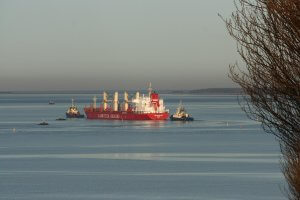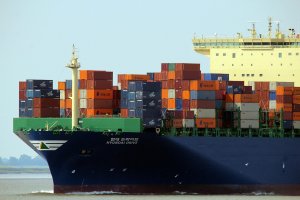
Global oil prices have climbed back above $100 per barrel as renewed fighting in the Middle East raises concerns over prolonged disruptions to global energy supplies. Brent crude settled at $101.21 per barrel, its first close above $100 since July and its highest closing level since May 22.
U.S. crude also moved higher, settling at $96.05 per barrel. Both Brent and U.S. crude are now up more than 65% this year as markets continue to react to developments across the region and closely monitor tanker movements through the Strait of Hormuz.
The Strait remains a central concern for the oil market, with tensions creating uncertainty around the movement of tankers and the reliability of regional exports. Recent attacks involving Iranian oil tankers, along with strikes on energy infrastructure in Saudi Arabia, have added to concerns that disruptions could spread and further restrict global supply.
The impact is extending beyond crude oil. Rising oil prices have pushed gasoline and diesel prices higher, while higher bunker fuel costs are adding pressure to shipping and other transportation sectors across the global supply chain.
Market volatility is expected to remain closely tied to developments in the Middle East. Traders are watching transportation volumes, tanker traffic and the pace at which oil flows can recover as they assess whether current supply constraints will persist.
For vessel operators and fuel buyers, the current market reinforces the importance of closely monitoring fuel prices and regional supply conditions. With the outlook continuing to shift, advance planning and reliable access to marine fuel remain important considerations as the industry navigates elevated energy costs.