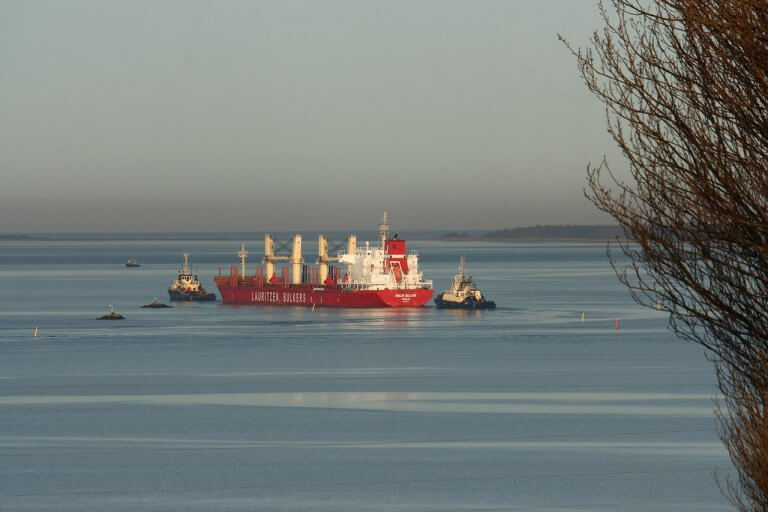
Demand for dry bulk carriers has strengthened significantly through the first seven months of 2026, with vessel sale and purchase activity pointing to growing confidence in the sector. According to shipbroker Xclusiv, 496 bulk carriers changed hands during the period, up 16% from 428 vessels during the same period last year.
Activity has been particularly strong in the Handysize and Supramax segments, which together accounted for nearly 45% of all transactions. Kamsarmax and Ultramax vessels have also attracted considerable interest, with Ultramax sales nearly doubling year over year and Kamsarmax transactions rising from 44 to 65.
The broader buying activity suggests that investor interest is no longer concentrated in only the traditional smaller bulk carrier segments. Increased transactions involving Ultramax, Post-Panamax and Kamsarmax vessels point toward a more diversified market, supported by healthier freight conditions and improving fundamentals across the dry bulk sector.
Age is also playing an important role in investment decisions. Middle-aged vessels between 11 and 15 years old remain the most actively traded, but buyers are showing increased interest in younger, more efficient tonnage, with purchases of vessels aged 0–5 and 6–10 years both rising substantially compared with 2025.
Chinese buyers remained the largest identified purchasers, acquiring 98 vessels, while Greek owners ranked second with 66 acquisitions. At the same time, the large number of purchases attributed to other international buyers indicates that participation in the dry bulk secondhand market is becoming increasingly diverse.
On the selling side, Greek owners remained the most active, disposing of 100 vessels during the first seven months of the year. Chinese owners also increased their sales, while Japanese disposals declined, contributing to what Xclusiv describes as a broader and healthier sale and purchase market.
The strength of the dry bulk S&P market provides another indication that confidence in the sector has improved in 2026. With demand spread across multiple vessel classes and continued interest in modern tonnage, the market could remain active as owners position their fleets for changing trade patterns and stronger long-term demand.