dev.admin

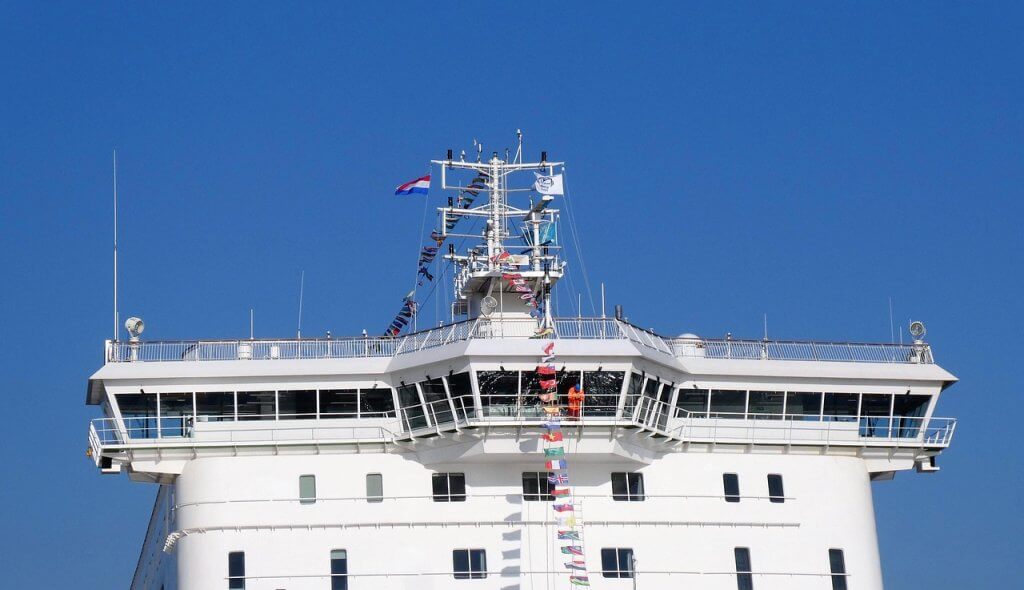
The image shows the control bridge of a large white ship decorated with colorful signal flags, set against a clear blue sky. The ship appears modern and is viewed from the front, highlighting its upper deck and windows.

Key IMO Amendments Entering into Force in 2026: What Shipowners and Operators Need to Know

A wide-ranging package of amendments to core International Maritime Organization (IMO) conventions, codes, and regulations officially entered into force on 1 January 2026, marking one of the most comprehensive regulatory updates in recent years. The changes span crew welfare, vessel safety, environmental protection, cargo reporting, fuel quality, and emerging technologies, with implications across commercial shipping, […]

Key IMO Amendments Entering into Force in 2026: What Shipowners and Operators Need to Know Read More »

Coronavirus disease 2026

COVID-19 is a contagious disease caused by the coronavirus SARS-CoV-2. In January 2020, the disease spread worldwide, resulting in the COVID-19 pandemic. The symptoms of COVID‑19 can vary but often include fever,[7] fatigue, cough, breathing difficulties, loss of smell, and loss of taste.[8][9][10] Symptoms may begin one to fourteen days after exposure to the virus.

Coronavirus disease 2026 Read More »

A large orange cargo ship using alternative fuel navigates calm waters near industrial storage facilities under a clear blue sky.

EU Regulations to Accelerate Alternative Marine Fuel Demand in 2026

EU member states’ adoption of the recast Renewable Energy Directive (RED III), combined with higher penalties on fossil marine fuels, is expected to significantly increase demand for alternative bunkers starting in 2026. FuelEU Maritime will continue to support this shift by requiring a 2% reduction in marine fuel greenhouse gas emissions through 2029, increasing to

EU Regulations to Accelerate Alternative Marine Fuel Demand in 2026 Read More »

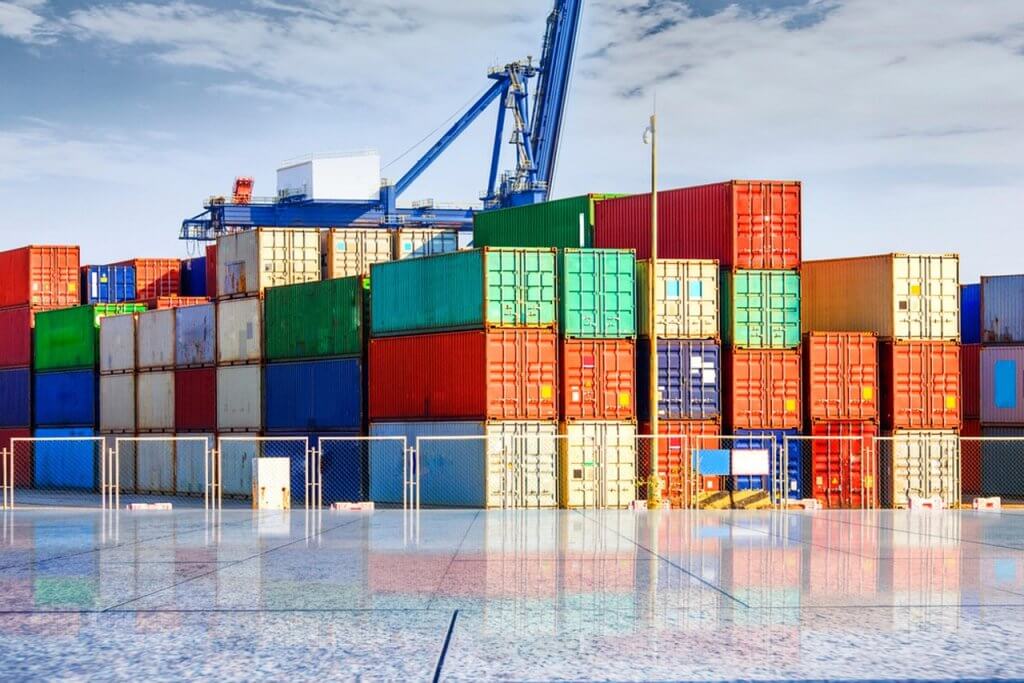
Stacks of colorful shipping containers are arranged at a port, with cranes and machinery in the background under a partly cloudy sky. A chain-link fence separates the containers from the reflective foreground.

U.S. Container Imports Signal a Structural Shift in Global Shipping Demand

U.S. container imports declined 7.8% year-over-year in November 2025, with imports from China falling nearly 20%. While the headline numbers may appear modest at first glance, the underlying trend points to a meaningful shift in global trade patterns and shipping demand as the industry moves beyond the post-pandemic surge. According to Descartes Systems Group, U.S.

U.S. Container Imports Signal a Structural Shift in Global Shipping Demand Read More »

A large cargo ship loaded with colorful shipping containers is docked at a port, overlaid with a transparent European Union flag with yellow stars on a blue background.

How FuelEU Maritime is Changing Commercial Negotiations

The FuelEU Maritime (FEUM) regulation introduces new complexity to emissions management by shifting reporting responsibility from shipowners to ship managers holding the Document of Compliance (DoC). Unlike the EU Emissions Trading System (EU ETS), FEUM directly impacts contractual and financial relationships between owners, charterers, and independent ship managers. Since FEUM took effect on January 1,

How FuelEU Maritime is Changing Commercial Negotiations Read More »

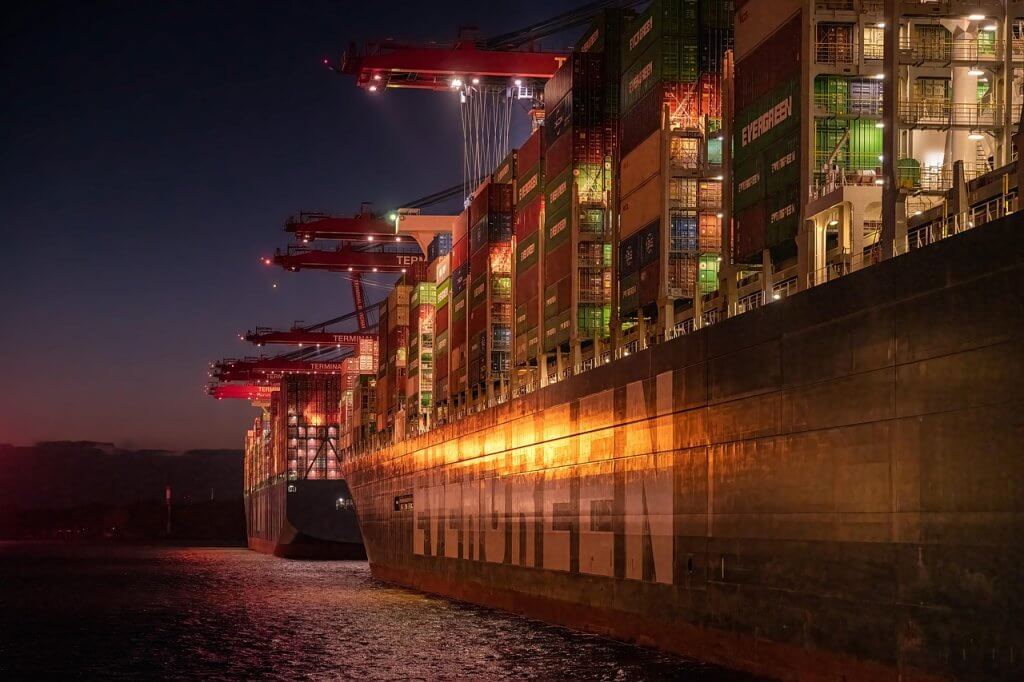
Two large container ships, brightly lit and loaded with colorful shipping containers, are docked side by side at a port at night. Cranes extend over the ships, and the water reflects the lights.

With Global Emissions Rules Held Off, What’s Next for the Shipping Industry?

Last month, the United States joined Saudi Arabia and other nations in delaying new global shipping emissions rules, citing cost concerns. Despite this setback, momentum toward decarbonization continues as the industry advances alternative fuels and efficiency technologies. Earlier this year, the International Maritime Organization (IMO) approved the Net-Zero Framework in principle, marking the first time

With Global Emissions Rules Held Off, What’s Next for the Shipping Industry? Read More »

A large cargo ship named "Mastera" docked at a port, with yellow cranes and equipment nearby. Tree branches partially frame the view in the foreground.

IMO 2020 and How Bunker Fuel Markets Continue to Evolve

When the IMO 2020 sulfur cap took effect in January 2020, vessel operators rapidly shifted toward low-sulfur fuel oil (LSFO) to comply with the new 0.5% sulfur limit. This regulation fundamentally reshaped global bunkering demand and refinery supply chains. Bunker fuel refers to the fuels supplied to ships for propulsion, and prior to IMO 2020,

IMO 2020 and How Bunker Fuel Markets Continue to Evolve Read More »

A building with the inscription "International Maritime Organization" on its wall, displaying many international flags on poles along the roofline against a clear blue sky.

Current State of the Market: Decarbonization Uncertainty Clouds Outlook for Global Shipping

The global maritime industry faces renewed uncertainty this week following the International Maritime Organization’s (IMO) decision to delay adoption of the Net Zero Framework (NZF) — a cornerstone policy intended to drive decarbonization across international shipping. At an extraordinary session of the Marine Environment Protection Committee (MEPC), IMO member states voted 57–49 in favor of

Current State of the Market: Decarbonization Uncertainty Clouds Outlook for Global Shipping Read More »

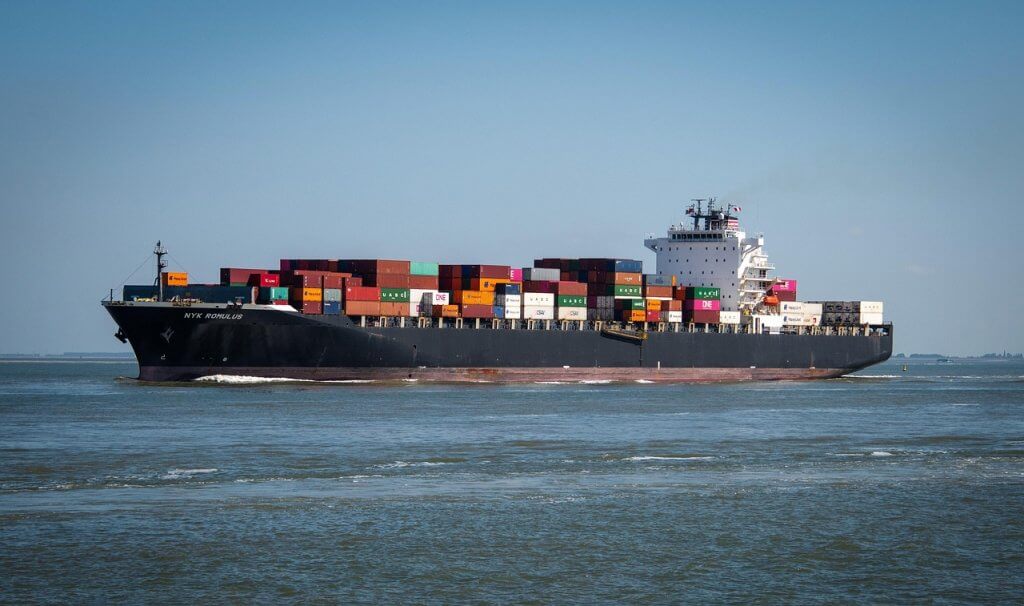
A large cargo ship loaded with colorful shipping containers sails on calm water under a clear blue sky.

Geopolitics and Regulation Add New Pressure to Global Shipping

The global shipping industry is facing renewed uncertainty as both regulatory delays and escalating trade tensions reshape the operating environment. The International Maritime Organization (IMO) has voted to delay adoption of its long-anticipated Net Zero Framework (NZF) by one year, following strong opposition from the United States and Saudi Arabia. The framework, which was expected

Geopolitics and Regulation Add New Pressure to Global Shipping Read More »

Four industrial smokestacks release thick plumes of smoke into the sky at sunset, with the clouds tinged orange and pink by the fading sunlight.

Shipping Sector Still Off Track to Meet 2030 Zero-Emission Fuel Target

The shipping industry is not on pace to meet its climate goal of sourcing at least 5–10% of its fuel from scalable zero-emission sources (SZEF) by 2030, according to the latest Progress towards shipping’s 2030 breakthrough report. The study, developed by the UCL Energy Institute, the Global Maritime Forum’s Getting to Zero Coalition, and the

Shipping Sector Still Off Track to Meet 2030 Zero-Emission Fuel Target Read More »